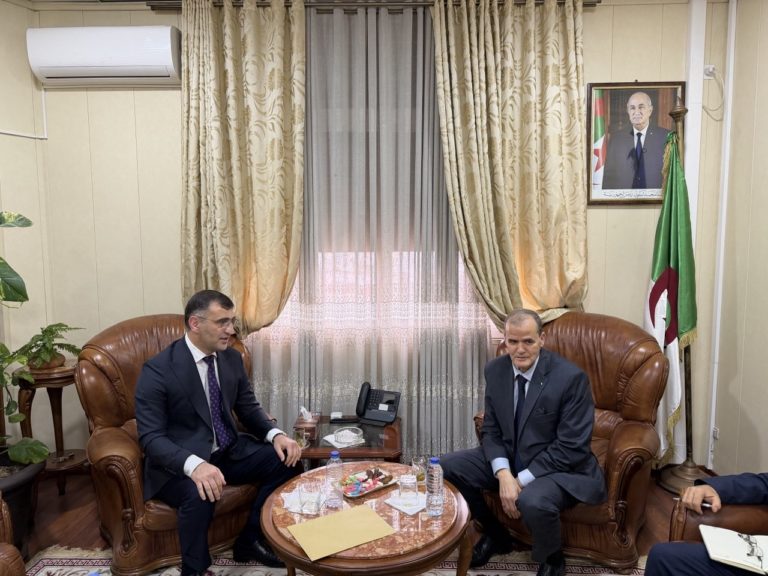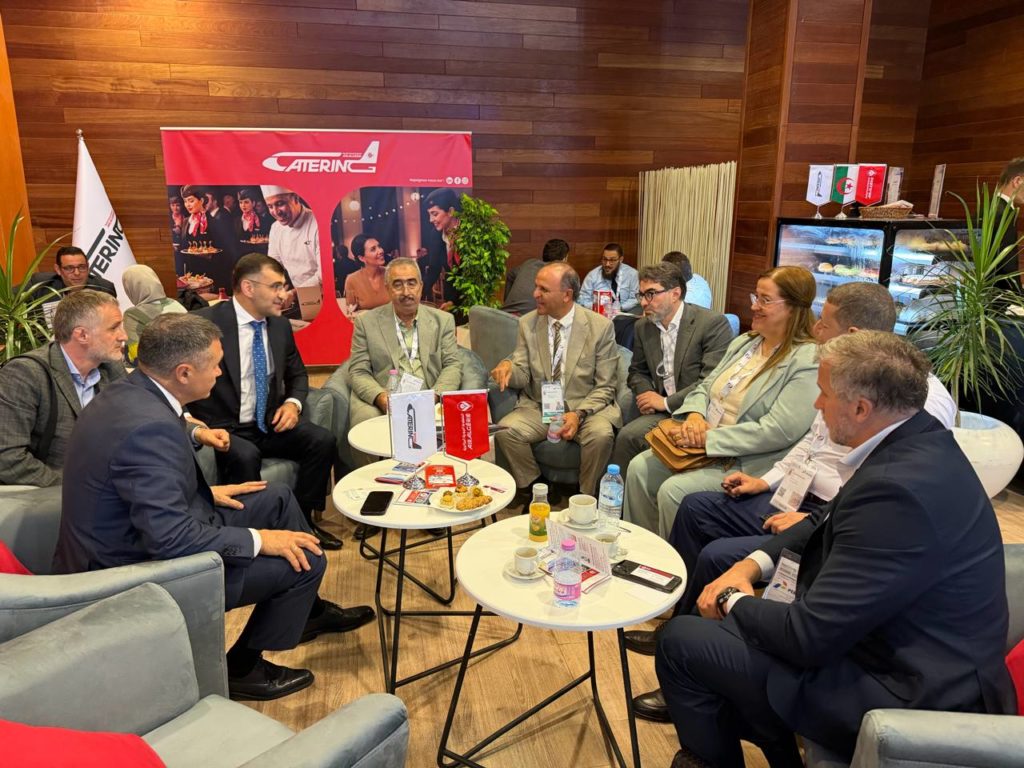
The 14th edition of NAPEC 2026, the international exhibition and conference on energy and hydrogen for Africa and the Mediterranean, took place in Oran on 5–7 October 2026. A delegation from the Russian-Algerian Business Council (RABC) at the Chamber of Commerce and Industry of the Russian Federation, headed by its Chairman Ahmed Azimov, took part. The Roscongress Foundation provided information support for the delegation’s participation.
The exhibition brought together more than 450 exhibitors and 230 participants in the conference programme. It was opened by Mohamed Arkab, Algeria’s Minister of State and Minister of Hydrocarbons, and Mourad Adjal, Minister of Energy and Renewable Energy. Discussions focused on investment in the oil and gas sector, new exploration acreage and the terms of international cooperation.
Sonatrach plans to invest $60 billion in 2026–2030. Of this, $45 billion is earmarked for exploration and production — three quarters of the total. A previously announced programme includes around 500 exploration wells and 950 production wells, as well as approximately 6,300 operations on existing wells. Around 26% of the exploration and production investment budget is expected to be implemented in partnership with foreign companies.
These figures indicate the shape of future demand. New drilling will require equipment and services throughout the well construction process. Work on existing wells will call for solutions for diagnostics, repair, restoring productivity and more efficient operations. The programme is relevant to a broad range of businesses, from manufacturers of individual components and instruments to oilfield service and engineering companies.
Work on producing fields featured prominently in Mohamed Arkab’s remarks. The Minister identified enhanced oil recovery, digitalisation and technology transfer among the areas where Algeria is seeking cooperation with foreign partners. He called for moving towards concrete projects that can be implemented within a short timeframe.
At the exhibition, Arkab also confirmed the timetable for the Algeria Bid Round 2026 international licensing round. Seven exploration blocks in the Sahara are on offer, and geological data are available through ALNAFT’s electronic data rooms. Bids are expected in January 2027, with contracts to be signed in March. More than 50 international companies have already expressed interest in the round.
For Algeria, the role of local businesses and specialists in new projects is a key issue. In his address to investors, the Minister highlighted the development of local production and services, workforce training and knowledge transfer. Equipment suppliers therefore need to plan ahead for in-country equipment maintenance, the training of engineering staff and the possible placement of some production operations with Algerian partners.
At the same time, Sonatrach is expanding hydrocarbon processing. Announced projects include an MTBE complex in Arzew to produce a motor-fuel additive; a LAB complex in Skikda to produce feedstock for detergents; and the integrated STEP/PDH PP project in Arzew, which is linked to polypropylene production. These facilities are intended to increase the depth of domestic feedstock processing and reduce imports of petrochemical products.
The growth of the petrochemical industry is also changing the type of technology in demand. In addition to equipment for producing and transporting hydrocarbons, there will be demand for solutions for chemical plants, process control, quality assurance and the maintenance of complex industrial facilities.
Algeria intends to retain a significant role for natural gas in its energy policy. Speaking at the opening of NAPEC, Mohamed Arkab linked this role to the need to ensure reliable energy supplies, meet rising demand and support industrial development. He said investment in the oil and gas sector should continue alongside the development of clean energy and emissions-reduction technologies. New energy sources will complement the existing system.
Hydrogen is at an earlier stage of development.
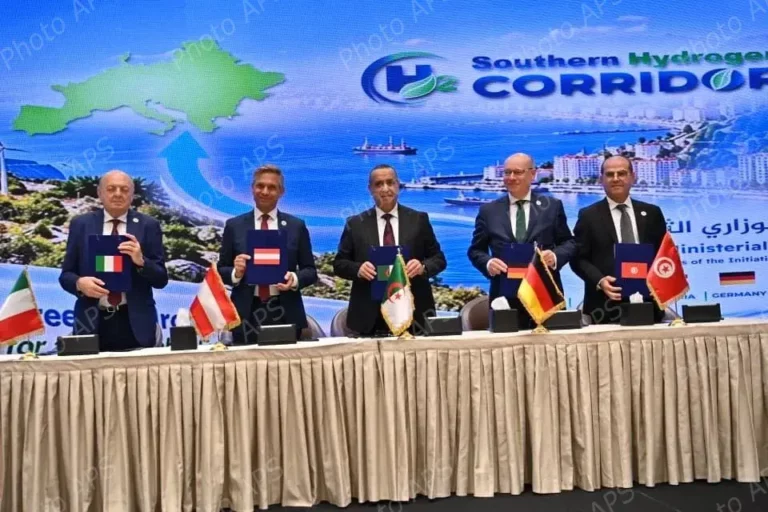
On 1 October, a few days before the exhibition, Mourad Adjal announced the start of preparations for a feasibility study for the ALTEH2A project. It envisages producing green hydrogen in Algeria and supplying it to Europe through the SoutH2 Corridor, which links Algeria, Tunisia, Italy, Austria and Germany.
The study is expected to identify production sites, project costs, transport options and the outlook for European demand. The first results are expected in 2027. They will inform the move to investment decisions. The scale of future orders under this project has yet to be determined.
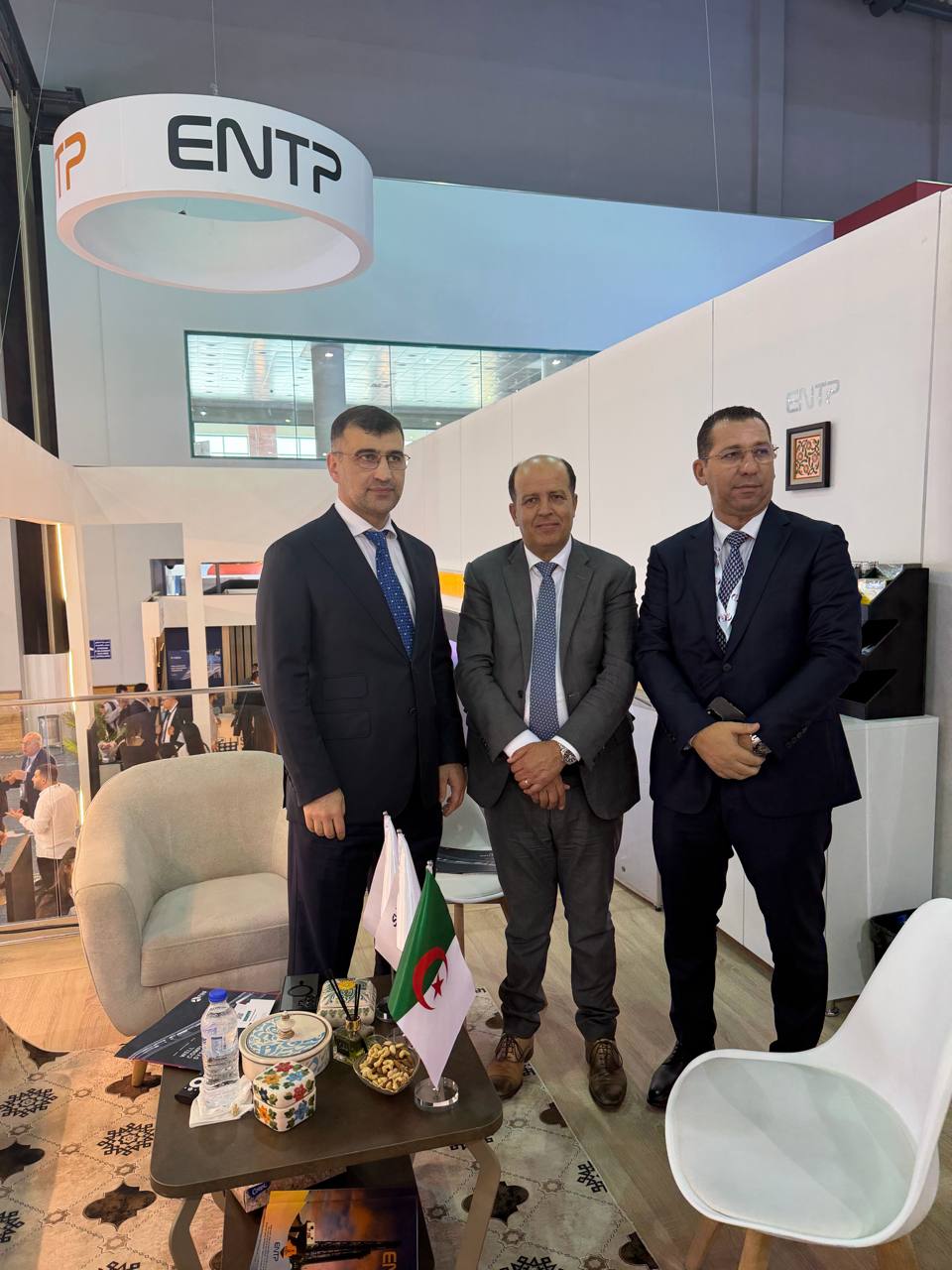
For Russian suppliers, the most immediate opportunities are in drilling, well repair, gas treatment and the supply of equipment for processing facilities. At the same time, the interest of Algerian customers in Russian technology calls for more active engagement by Russian manufacturers themselves.
“At meetings, executives from Algerian companies spoke openly about how Russian businesses are still less active than their foreign competitors. At the same time, there is interest in our technologies, and companies here want to work more broadly with Russian businesses. We need to visit customers more often, gain a deeper understanding of their needs and see our proposals through to results. Friendly relations help open a dialogue, but a contract requires proven advantages in technology, price, delivery times and service. This is a large market where we must be prepared for competition and consistent effort,” said Ahmed Azimov, Chairman of the Russian-Algerian Business Council.