On November 16, the Made in Russia International Export Forum in Moscow hosted the session “Entering MENA Markets: From Assumptions to Action,” which focused on the development of Russian business in the Middle East and North Africa.
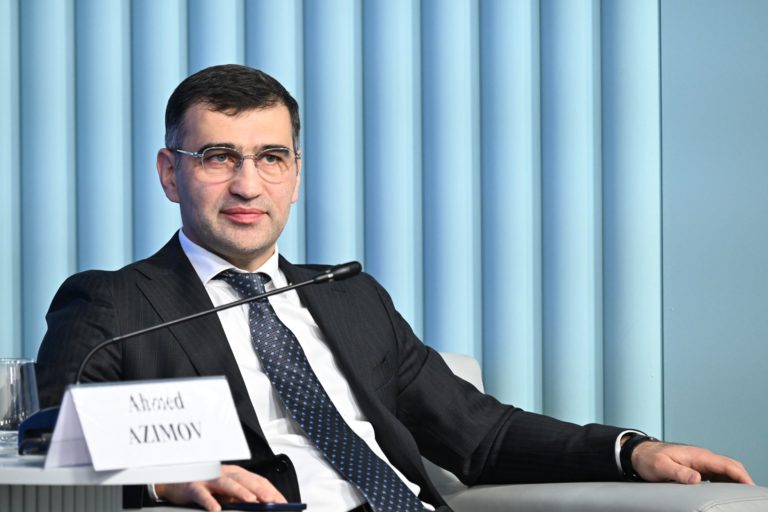
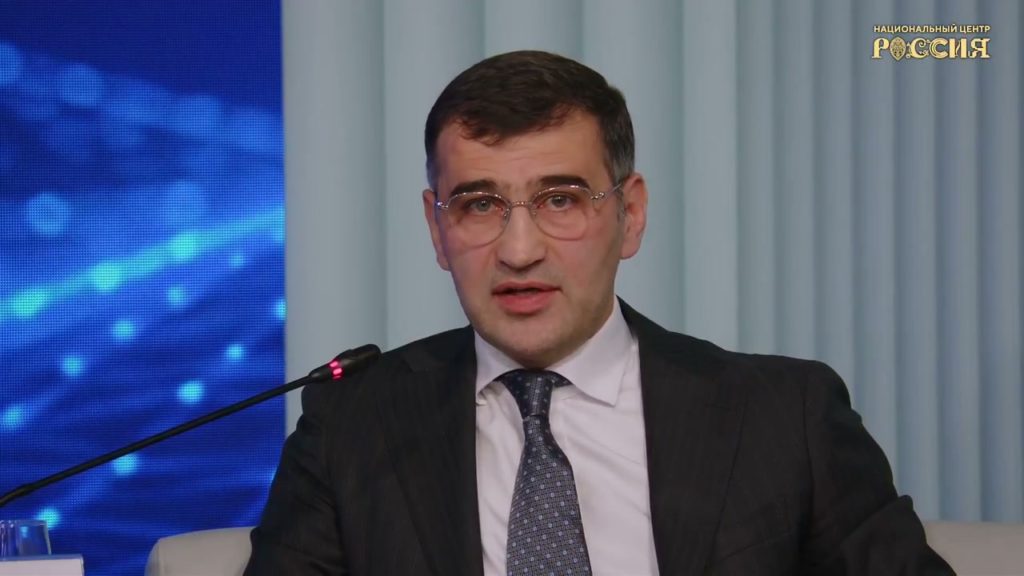
Speaking at the session, Ahmed Azimov, Chairman of the Russian-Algerian Business Council at the Chamber of Commerce and Industry of the Russian Federation, outlined prospects for economic cooperation with North African countries and called for more financial instruments to support Russian businesses in the region.
Russian businesses today pay close attention to the countries of the Arab East. North Africa deserves just as much attention. The region’s economic potential remains underestimated, and it would be a mistake to treat it as an afterthought.
From Exports to a Strategic Presence
“North Africa is of particular interest because its economic structure is still taking shape, giving Russian companies a chance to become part of it for decades to come. Alongside asking what we can supply to these markets and how, we need to ask first and foremost what these countries plan to build, what they intend to produce and which technologies they aim to master over the next ten to fifteen years. And what role can Russian companies play in that process?” Ahmed Azimov said.
New industries, new production links and new economic infrastructure are taking shape in the region now.
In the Council chairman’s view, existing export support measures should be supplemented with financial instruments designed to support investment and industrial projects abroad, the creation of joint ventures and the localization of Russian technologies.
“Alongside selling what we already make, we need to help create what our partners want to produce in their own countries. I see this as the most promising model for Russia’s economic presence in North Africa.”
Trade and Logistics Infrastructure
One of the main constraints on Russian businesses remains the uncompetitive trade and logistics infrastructure serving North African markets.
The geography of the region’s foreign trade is itself of particular interest. According to figures cited during the address, about 63% of North African countries’ exports go to Europe, while only about 4% go to countries in sub-Saharan Africa.
This imbalance largely reflects the region’s historical trade and logistics links. It also points to significant business potential. The development of trans-African transport corridors and intra-African trade will gradually reshape the continent’s economic geography.
Algeria as an Industrial Hub
Algeria has particular potential in this context. Its own raw materials and energy resources, sizable domestic market, industrial infrastructure and drive to adopt new technologies make it a promising production base for Russian companies seeking access to other African markets.
Ahmed Azimov also sees significant opportunities in tripartite investment and industrial projects involving Russian companies, investors from the Persian Gulf states and North African partners.
This model brings together the investment resources of the Gulf states, Russian technologies and engineering expertise, and North Africa’s production capacity and markets. Algeria could become one of the main locations for such projects.
“Logistics, access to finance, knowledge of local markets and many other factors are important. It is equally important for Russian businesses themselves to be ready to expand internationally more actively and to build a more strategic presence in foreign markets,” the Chairman of the Russian-Algerian Business Council emphasized.
Source: RABC Media. Still from the Russian Export Center (REC) recording.