Algeria has marked a major strategic shift in its petrochemical industry by launching a large-scale investment programme worth USD 7 billion for the period 2025–2029. The initiative aims to strengthen local hydrocarbon processing — a key pillar of the national economy.
The project’s core objective is to increase the share of hydrocarbons processed into higher value-added products to 50% by the end of the five-year period, up from the current 32%. This transition reflects Algeria’s ambitions to enhance resource utilisation, reinforce energy sovereignty, reduce import dependence, and expand domestic industrial capacity.
Flagship Industrial Projects in Algeria
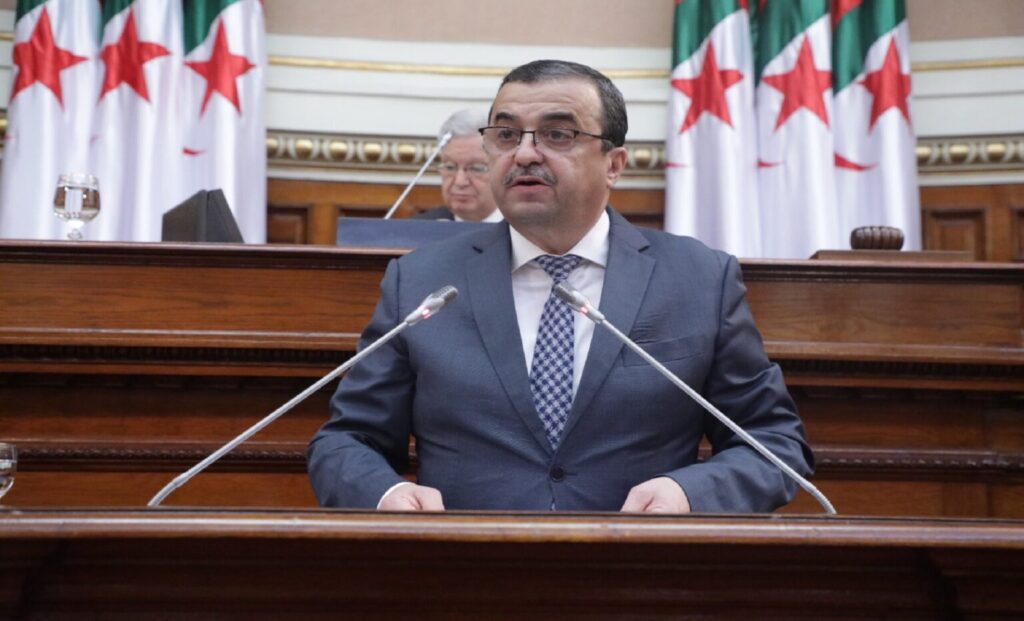
Minister of Energy and Mines Mohamed Arkab outlined the major projects to be financed under the investment package during a plenary session on oral questions, according to Algerian Radio.
One of the most significant components is the construction of a new refinery in Hassi Messaoud, southern Algeria, with an annual capacity of 5 million tonnes. Scheduled to enter service at the end of 2027, the facility will substantially increase domestic production of fuels and refined petroleum products.
Additionally, Algeria plans to launch:
-
a naphtha steam-cracking unit in Arzew (near Oran), expected to produce 1.2 million tonnes of gasoline per year starting in 2027;
-
a fuel-oil cracking complex in Skikda (eastern Algeria), designed to produce 1.75 million tonnes of diesel and 250,000 tonnes of bitumen annually by 2029.
A Project Aimed at Energy Self-Sufficiency
These investments are not only intended to expand domestic refining capacity but also to enhance national energy independence.
In 2024, Algeria produced 30 million tonnes of refined petroleum products, significantly reducing fuel imports.
As a result, the country’s fuel import bill dropped from USD 1 billion in 2019 to USD 400 million in 2024 — a reduction of 60%.
Previously reliant on imports for certain refined products, Algeria is now increasingly able to redirect surplus output to export markets. This shift demonstrates the country’s growing ability to control its production chain and maximise the added value of its natural resources.
Strategic Impact on the Labour Market
The expansion of the petrochemical sector is also expected to generate substantial economic and employment benefits.
The construction and subsequent operation of the new infrastructure will create thousands of jobs across multiple regions, while simultaneously strengthening local enterprises and broadening the industrial base of the Algerian economy.
This investment wave thus contributes not only to sectoral development but also to the wider goal of economic diversification.
Conclusion
By allocating USD 7 billion to petrochemicals, Algeria is taking a decisive step toward increasing domestic hydrocarbon processing, boosting economic growth, enhancing energy sovereignty, and improving its competitiveness in global markets.
The programme signals the country’s determination to establish itself as a major player in the petroleum industry and prepare for future challenges.
RABC Information Service