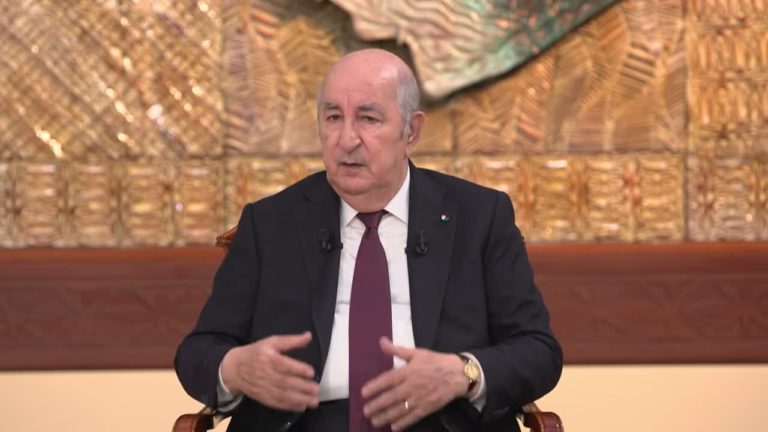
Algiers, 18 July 2025 — President of Algeria Abdelmadjid Tebboune stated that the country’s economy remains stable despite the decline in global oil prices. He ruled out the introduction of austerity measures and reaffirmed the strength of Algeria’s key economic indicators.
“There is no austerity policy in Algeria. We will work to eliminate the parallel economy without using harsh methods,” he said.
Economic Growth and Diversification
Algeria’s foreign exchange reserves amount to roughly USD 70 billion. The country continues its strategy of economic diversification to reduce long-term dependence on hydrocarbons.
“We will not depend on oil in the future. Our strategy is to build an economy free from hydrocarbons,” the President added.
Agricultural Sector as a Key Driver
Agricultural output in 2025 is estimated at USD 38 billion — almost equivalent to the country’s hydrocarbon revenues. Inflation has decreased from 9.7% in 2019 to 4% today. More than 13,000 new agricultural projects are planned, which will stimulate employment and economic activity.
Water Security and Infrastructure
The government plans to build six new desalination plants to meet the needs of the population amid climate challenges and water shortages.
Digitalization and Artificial Intelligence
President Tebboune highlighted Algeria’s steady progress in digital technologies and artificial intelligence. The National Agency for AI and the High Commission for Digitalization have been established to modernize public services and governance.
Algeria aims to become a regional hub in new technologies by developing an ecosystem driven by youth and startups.
Startup Ecosystem: Target — 20,000
The number of startups has grown from 200 in 2019 to over 9,000 in 2025. President Tebboune set a goal to reach 20,000 startups by the end of his term. This growth is expected to strengthen innovation, support young entrepreneurs and accelerate the shift to a knowledge-based economy.
Outlook for 2025
GDP growth of at least 4% is expected. Key growth drivers include the agricultural sector, infrastructure development, investment, and digital technologies. The government also plans to continue combating the informal economy and improving the business environment.
Source: Mena-Monitor